
About MAP
-
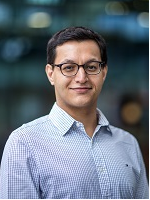
Image: private “MAP provided me with an invaluable scientific foundation that I have been benefitting from ever since.”
-
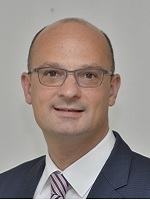
Image: private “In my MAP seminar “New Business Development” I bridge the worlds of business and engineering. It’s fantastic to work together with such motivated students.”
-
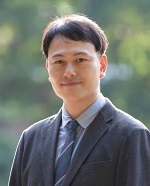
Image: private “Due to the interdisciplinarity of MAP, I have a strong background in fundamental science, which was key to becoming a professor.”
-

Image: LFG “MAP has equipped me with the right tools to navigate unexplored territories in my scientific career. I continue to benefit from its influence and network to this day.”
-
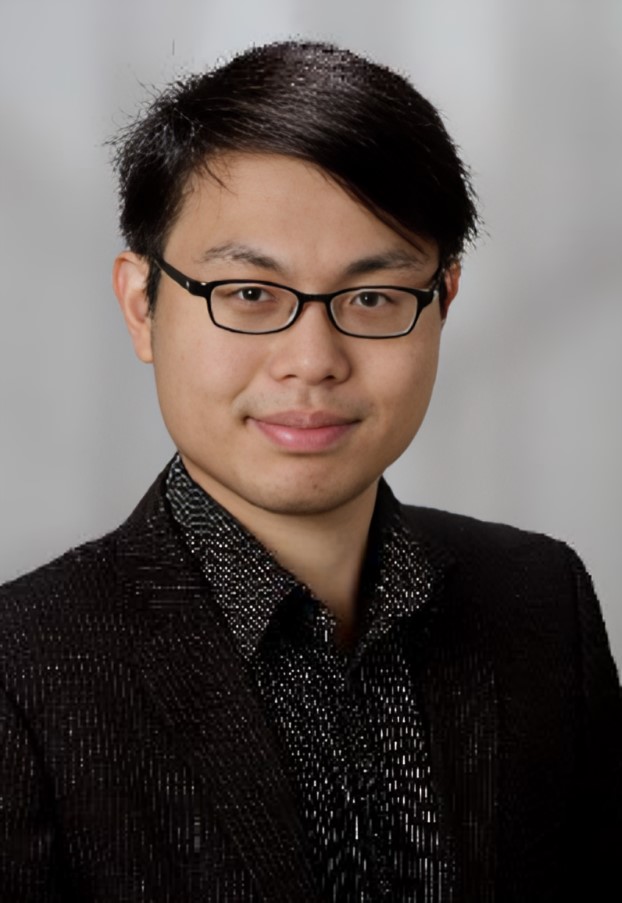
Image: private “I strongly recommend the MAP program for those looking to explore beyond traditional scientific boundaries. The resources and the network are invaluable assets for a Master’s student. It’s a journey you won’t regret!”
A Master’s Program for Engineers of the Future
Advanced Materials and Processes (MAP) is a combination of Materials Science and Engineering with Chemical and Biological Engineering. These disciplines play a key role in the development of novel technologies – without the development of new materials, a great range of key inventions from digital computers or jet engines to customized medical implants would not have been possible. Novel materials with new functionalities or improved properties, however, require specifically designed, economically and environmentally sustainable production processes – which might themselves depend on the development of new catalyst materials. This intimate connection between processes and materials is of key importance for advances and innovations in virtually any field of technology. Chemical and Biological Engineering and Materials Science and Engineering are thus highly intertwined fields, which are, however, treated as separate subjects in traditional education.
MAP is an English-taught interdisciplinary Master’s Program and provides a unique curriculum for the next generation of engineers. Students follow an individually tailored curriculum to learn in small groups the fundamentals of Chemical and Biological Engineering and/or Materials Science and Engineering, and four focal subjects allow the students to further deepen their knowledge in key technological areas.
- Advanced Processes
- Biomaterials and Bioprocessing
- Computational Materials Science and Process Simulation
- Nanomaterials and Nanotechnology
MAP is a highly-selective, accredited 2-year Master’s Program. It was established and has been funded and supported by the Elite Network of Bavaria (ENB) for 20 years. It is characterized by a very low student-to-faculty ratio, early involvement in cutting-edge research through miniprojects and literature reviews, special events like summer schools and workshops, the availability of educational grants and personal support from the MAP program office and the program chairs. Students can furthermore gain additional qualifications for an academic career or for a career in industry through specialized modules with extra credits. A high percentage of our graduates continue to pursue a PhD, but MAP graduates are also highly sought after by industry, with typical destinations including the automotive, aerospace, oil and gas, food technology, health and safety and pharmaceutical sectors.
Some video insights into the program
- Prof. Vogel, MAP chair, gives an overview of the MAP program via video.
- Prof. Klupp Taylor, former MAP chair and former Focal Subject Head, has been training MAP students for many years to create excellent posters for professional scientific meetings. Each year, third semester MAP students present their posters to the public. Watch the 2022 poster session headed by Prof Klupp Taylor in a digital format.
Some selected quick links for specific information

News